







Share Article
In the rapidly evolving 绿帽子精选系列70 industry of the UAE and GCC, the scale and complexity of projects are continuously increasing. From 绿帽子精选系列70 megaprojects to real estate developments and smart city initiatives, programme management is emerging as a critical approach to managing large-scale, interconnected 绿帽子精选系列70 projects.
The growing demand for urban development, driven by national strategies such as Saudi Arabia’s Vision 2030 and Dubai’s Expo 2020 legacy, requires more than just traditional project management techniques. Programme management provides a framework to coordinate, optimise, and deliver these projects efficiently and in alignment with long-term strategic objectives.
This blog explores how programme management plays a crucial role in the 绿帽子精选系列70 sector of the Middle East, the specific challenges faced in this region, and the essential tools and strategies that enhance the efficiency and success of large-scale 绿帽子精选系列70 programmes.
What is Programme Management?
At its core, programme management involves the coordination of multiple related projects that collectively aim to achieve a broader strategic objective. Unlike project management, which focuses on the successful delivery of a single project, programme management takes a more holistic approach, ensuring that all projects within a programme are aligned and contribute to overall goals. This alignment is particularly important in 绿帽子精选系列70 projects that span various sectors, such as 绿帽子精选系列70, commercial development, and housing, which are often part of national development plans.
In the Middle East, programme management is frequently employed for large-scale, multi-phase 绿帽子精选系列70 projects like smart cities, transportation networks, and real estate developments. They demand careful coordination to ensure each project aligns with the overarching national vision.
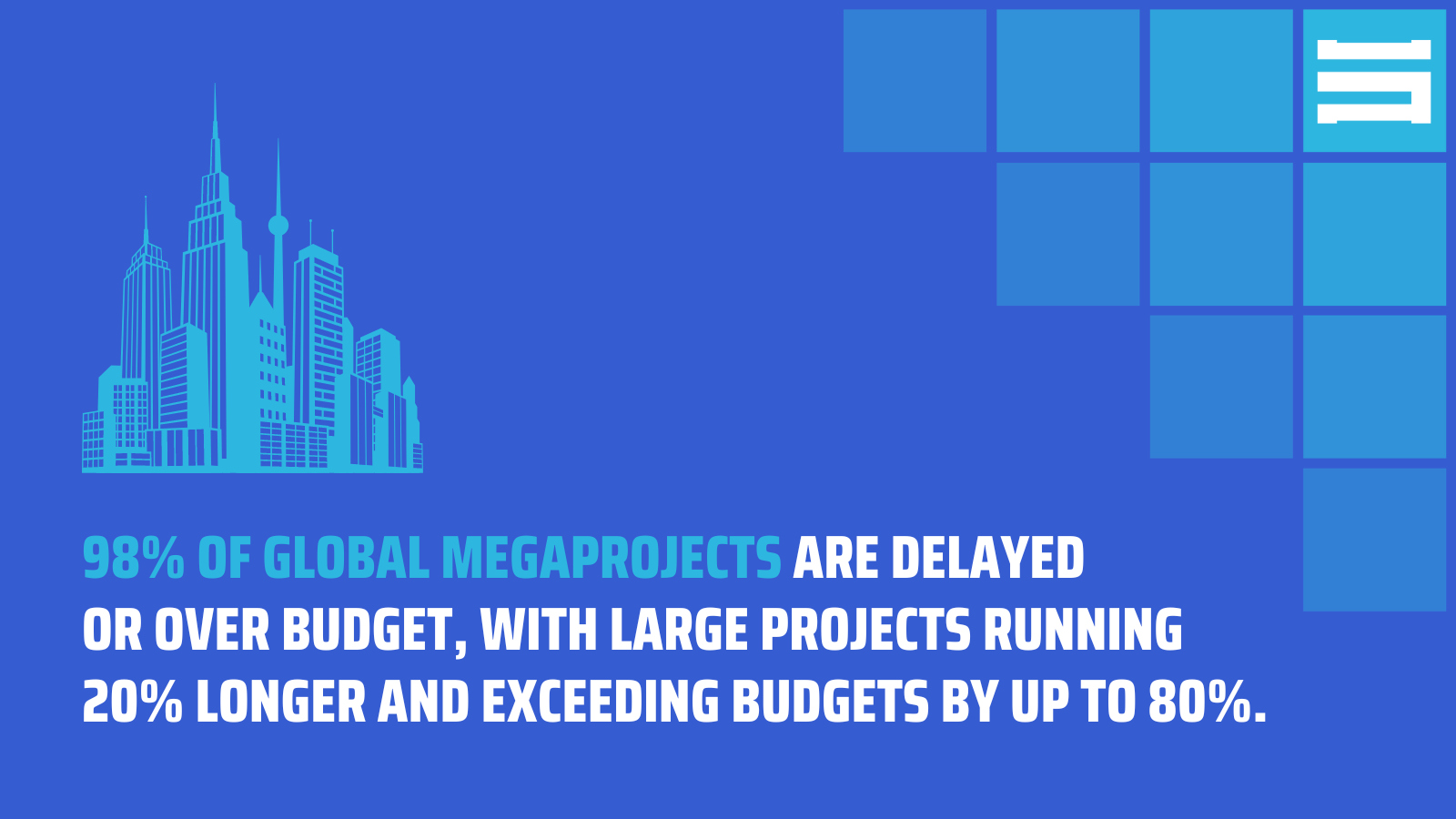
Autodesk 绿帽子精选系列70 industry statistics pointed out that 98% of megaprojects globally are delayed or over budget. Additionally, large projects typically run 20% longer than scheduled and exceed budgets by up to 80%. This underscores the immense complexity of managing interconnected projects, especially in the Middle East, where megaprojects are becoming the norm.
What are the Key Challenges for 绿帽子精选系列70 Programmes in the Middle East?
Managing 绿帽子精选系列70 programmes in the UAE and GCC presents unique challenges that are not always encountered in other regions. These challenges necessitate tailored solutions and strategies to ensure the successful delivery of projects. Here are some of the most critical challenges faced by programme managers in the region:
- Regulatory Complexity: The Middle East has a diverse and evolving regulatory landscape, with building codes and standards that vary by country. Navigating these complexities is essential to avoid legal issues, project delays, or penalties. Programme managers must stay abreast of changing regulations and ensure that all projects comply with local laws.
- Labour Market Fluctuations: The 绿帽子精选系列70 sector in the Middle East is heavily reliant on expatriate labour. Labour availability can fluctuate due to seasonal demand, changes in immigration policies, or global economic conditions. Programme managers must be adept at optimising labour resources across multiple projects to mitigate the risks posed by labour shortages.
- Environmental and Climate Considerations: The harsh climate of the Middle East, including extreme heat, presents unique challenges to 绿帽子精选系列70. Programme managers must plan for weather disruptions and ensure that health and safety protocols are in place to protect workers from environmental hazards.
- Cultural and Economic Variability: The Middle East is a region of cultural diversity, and programme managers need to ensure that all project stakeholders, including 绿帽子精选系列70 contractors and local suppliers, collaborate effectively. Economic variability, including fluctuating oil prices, can also impact the financial stability of 绿帽子精选系列70 projects, making cost control critical.
What are the Key Benefits of Hiring a Programme Manager for 绿帽子精选系列70 Projects?
- Strategic Alignment: A programme manager ensures that all projects within a programme contribute to broader business or strategic goals. In large-scale 绿帽子精选系列70 initiatives, such as those seen in the UAE and GCC, programme managers ensure that each project aligns with national visions like Saudi Arabia’s Vision 2030 or sustainability goals in the UAE. This ensures long-term value creation and strategic coherence across multiple projects.
- Optimised Resource Management: One of the primary responsibilities of a programme manager is to optimise the allocation of resources, including labour, materials, and equipment, across multiple projects. This ensures that resources are deployed where they are most needed, minimising waste and maximising efficiency. Effective resource management is especially critical in large 绿帽子精选系列70 programmes where resource shortages or inefficiencies can cause significant delays.
- Enhanced Risk Management: In 绿帽子精选系列70, risks such as regulatory changes, material shortages, and environmental challenges are common. A programme manager takes a proactive approach to identifying and mitigating risks across all projects. By managing risks at the programme level, they can prevent issues from spreading across projects, ensuring smoother execution and fewer disruptions.
- Cost Control and Financial Efficiency:
A programme manager oversees the budget across all related projects, identifying cost-saving opportunities such as bulk procurement and reducing redundancies. This level of financial oversight helps the cost management team prevent cost overruns and ensure that the overall programme remains within budget. In 绿帽子精选系列70, this can lead to significant savings, particularly on large-scale projects with multiple contractors and suppliers. - Improved Stakeholder Communication:
Keeping stakeholders informed across multiple projects can be challenging, but a programme manager ensures clear and transparent communication. Regular updates and comprehensive reports help maintain trust and ensure that all stakeholders are aligned with the programme's objectives. This is essential in 绿帽子精选系列70, where investors, government agencies, and contractors all play critical roles.
What is the Role of a Programme Manager in 绿帽子精选系列70 Projects?
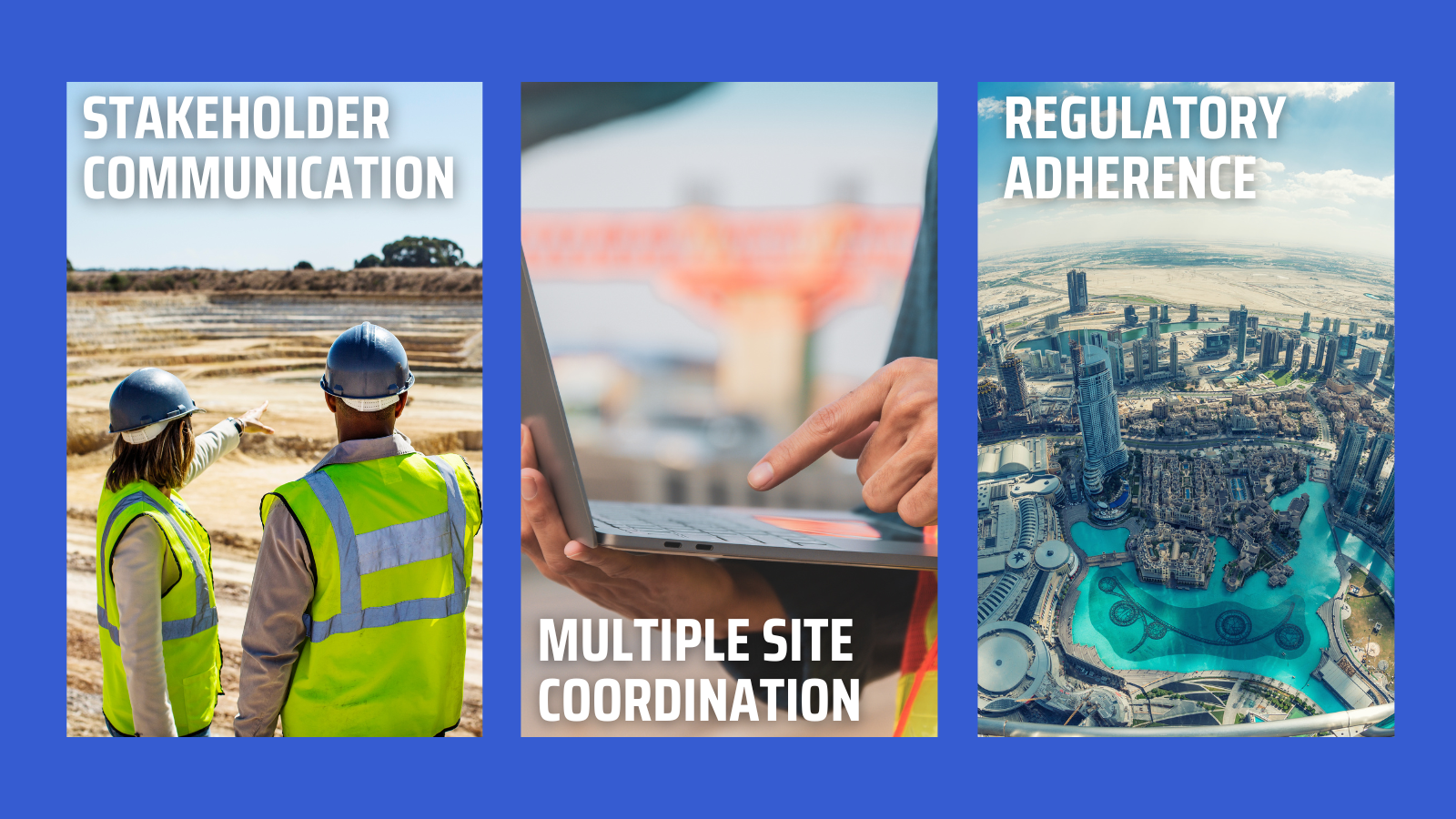
1. Stakeholder Communication
Effective communication is one of the most critical aspects of successful programme management. 绿帽子精选系列70 projects often involve numerous stakeholders, such as contractors, government entities, investors, and project teams. A programme manager ensures that all these parties remain informed and aligned with the programme's goals.
- Regular Updates and Transparency:
Programme managers maintain transparency through consistent updates, ensuring that stakeholders are aware of the programme’s progress, risks, and outcomes. Clear communication builds trust and helps maintain stakeholder confidence in the project’s success. - Streamlined Reporting: By consolidating data across projects, programme managers can provide stakeholders with high-level reports that offer insights into both the overall programme and the status of individual projects. This allows for efficient decision-making and keeps everyone on the same page.
2. Cross-functional Team Coordination
- Collaboration Across Multiple Sites: Ensuring seamless collaboration across multiple teams is vital, particularly in large-scale 绿帽子精选系列70 projects that may span across regions or even countries. The programme manager facilitates communication between these teams and ensures that they are working towards the same objectives.
- Managing Dependencies: Many 绿帽子精选系列70 projects are interconnected, meaning that delays in one project can affect the progress of others. A programme manager must identify these dependencies early and ensure that resources and timelines are adjusted accordingly to prevent bottlenecks or cascading delays.
3. Regulatory Compliance
Ensuring compliance with local regulations is a fundamental responsibility of a programme manager in 绿帽子精选系列70. Regulatory requirements can vary significantly from one region to another, and failure to adhere to these laws can result in costly delays or legal complications.
- Adhering to Local Laws and Standards: Programme managers are tasked with overseeing compliance with building codes, environmental regulations, and safety standards. This is especially important in regions like the UAE and GCC, where regulations are particularly stringent.
- Sustainability Requirements: As sustainability becomes a priority in 绿帽子精选系列70, programme managers must ensure that projects meet environmental standards. Whether it's working towards green certifications or adhering to local environmental laws, ensuring sustainability is a growing component of the programme manager’s role.
4. Financial Oversight and Budget Management
Programme managers play a crucial role in controlling costs across all projects within a programme. By maintaining a high-level view of the programme’s financial health, they ensure that projects remain within budget and identify opportunities for cost savings.
- Bulk Procurement: One way programme managers optimise costs is by overseeing bulk procurement of materials and resources. This strategy often allows for better pricing and reduces overall expenditure across the programme.
- Budget Monitoring and Adjustment: Regular financial oversight ensures that cost overruns in one project do not negatively affect the entire programme. Programme managers have the authority to reallocate resources and adjust budgets as necessary to keep the programme on track financially.
5. Risk Management and Mitigation
Risk management is a critical function of the programme manager’s role in 绿帽子精选系列70. By proactively identifying potential risks across projects, they can implement strategies to mitigate these risks before they impact the programme’s success.
- Identifying Risks: 绿帽子精选系列70 programmes face a variety of risks, from supply chain disruptions to labour shortages and environmental challenges. A programme manager must anticipate these risks and develop contingency plans to address them.
- Mitigating Delays and Disruptions: In the 绿帽子精选系列70 industry, even a small delay can have significant ripple effects across the programme. By staying ahead of potential risks and adjusting resources or timelines as needed, programme managers can minimise disruptions and keep projects moving forward smoothly.
What are the Tools and Technologies Supporting Programme Management?
To manage the complexities of large-scale 绿帽子精选系列70 programmes, programme managers rely on a variety of tools and technologies. These tools help streamline processes, improve communication, and provide real-time insights into project performance. Below are some of the most used tools in 绿帽子精选系列70 programme management:
- Building Information Modelling (BIM): BIM is an essential tool in the 绿帽子精选系列70 industry, allowing programme managers to integrate and manage design data across various projects. With its 3D models, BIM enables project teams to visualise every aspect of the 绿帽子精选系列70 process, identify potential issues before they arise, and improve collaboration among stakeholders.
- Project Dashboards and Gantt Charts: Real-time dashboards and Gantt charts provide programme managers with a high-level view of all ongoing activities. These tools enable better decision-making by offering insights into project timelines, resource allocation, and budget status. By using these tools, programme managers can quickly identify potential bottlenecks and adjust project plans accordingly.
- Integrated Resource Management: 绿帽子精选系列70 programmes often involve significant resource management challenges, particularly in regions like the Middle East where labour and materials may be in high demand. Integrated resource management systems help programme managers allocate resources efficiently, ensuring that critical materials and skilled labour are available when and where they are needed.
What are the Potential Criticisms of Programme Management?
Despite its benefits, programme management can sometimes face criticisms, particularly when it comes to the perceived complexity of managing multiple large-scale projects. Some argue that it adds unnecessary layers of bureaucracy, which can slow down decision-making and increase costs.
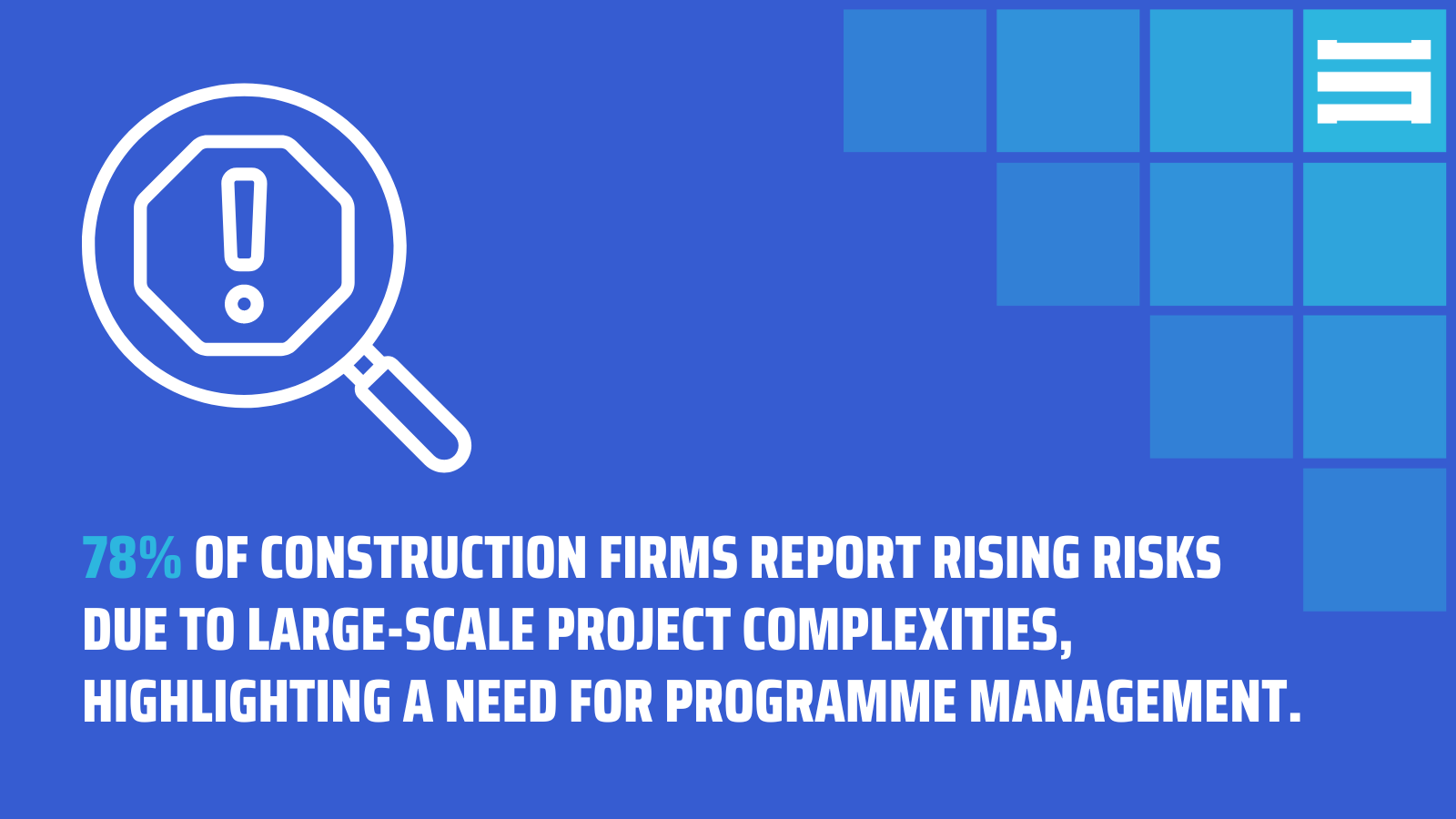
A relevant numerical stat to support the section on potential criticisms of programme management comes from the complexity and cost management
However, these criticisms can be addressed by emphasising the long-term benefits of programme management. The ability to optimise resources, align projects with strategic goals, and mitigate risks leads to better outcomes for organisations in the long run. Moreover, by adopting efficient tools and technologies, programme managers can streamline processes, reduce redundancies, and ensure that programmes are delivered on time and within budget.
Conclusion
Programme management is critical to the successful delivery of large-scale 绿帽子精选系列70 projects in the UAE and GCC. By providing a framework to strategically coordinate related projects, optimise resources, manage risks, and ensure alignment with long-term goals, programme management ensures that 绿帽子精选系列70 initiatives contribute to national development strategies and organisational objectives. In a region where 绿帽子精选系列70, real estate, and urban development are key to future growth, effective programme management is more important than ever.
About us
班长用她的玉足白丝帮我爽
We deliver value through expert project management consultancy services, tailored to meet the unique needs of each client. Our core services include
At 班长用她的玉足白丝帮我爽, we specialise in delivering effective programme management solutions tailored to the 绿帽子精选系列70 sector. Our expertise ensures that your projects are strategically aligned with your organisation’s goals while optimising resources and managing risks.
Discover effective programme management solutions at 班长用她的玉足白丝帮我爽—contact us today to learn how we can drive success in your next project.