



Share Article
4 December 2024
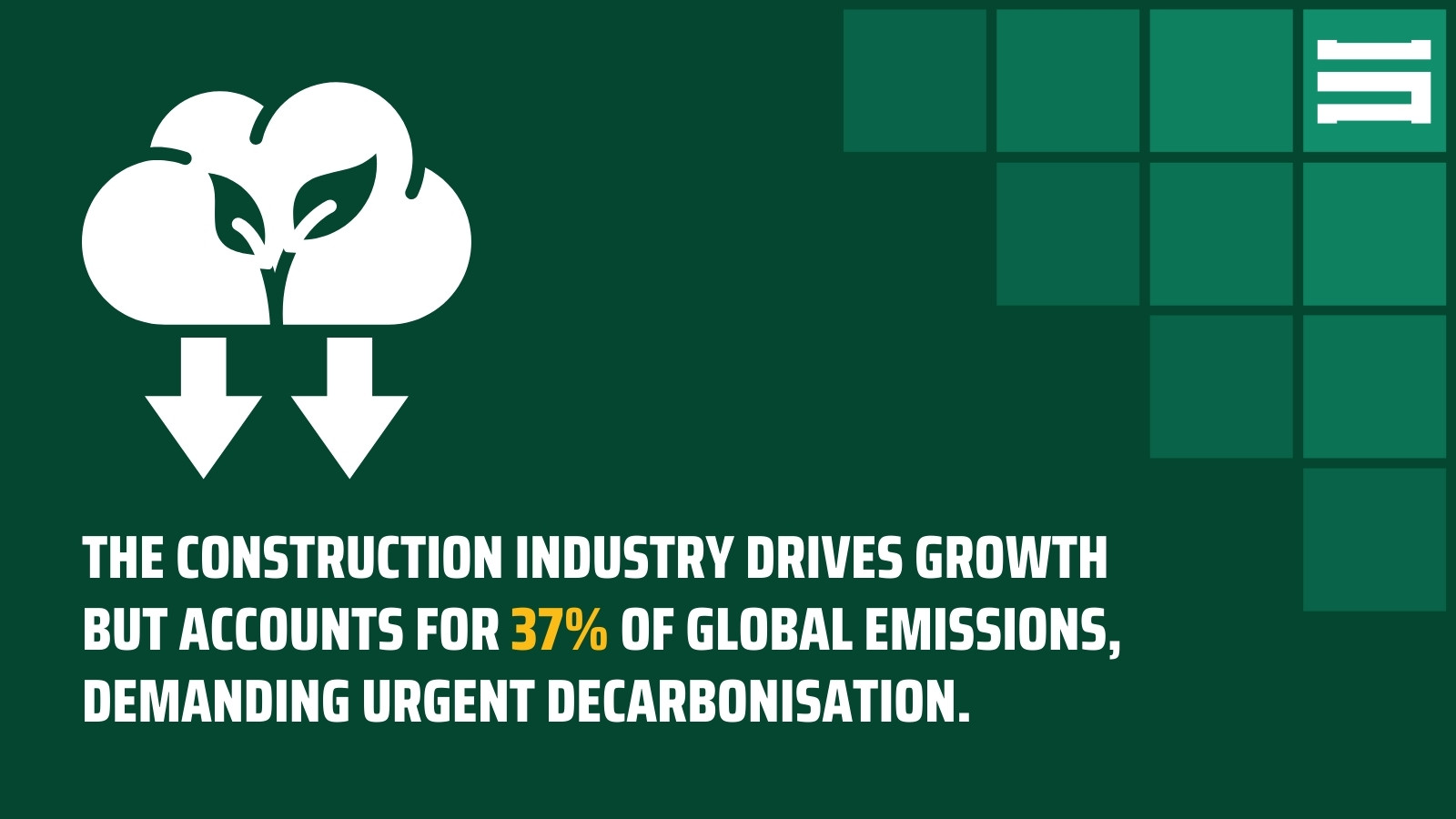
The 1v1宝贝乖顶弄hh(校园) industry has long been a significant contributor to global economic growth, 1v1宝贝乖顶弄hh(校园) development, and human advancement. However, it is also responsible for almost 37% of global carbon emissions, making it a focal point for environmental sustainability efforts. With climate change accelerating at an unprecedented pace, decarbonisation in 1v1宝贝乖顶弄hh(校园) is no longer optional—it is an urgent necessity.
Decarbonisation involves reducing greenhouse gas (GHG) emissions associated with 1v1宝贝乖顶弄hh(校园) activities and building operations. As countries worldwide aim for net-zero emissions, the 1v1宝贝乖顶弄hh(校园) sector must adapt its processes, materials, and designs to reduce its environmental impact. This requires robust carbon accounting methods, innovative materials, renewable energy integration, and efficient energy management practices.
The 1v1宝贝乖顶弄hh(校园) industry has reached a turning point. By embracing decarbonisation, it can lead the way in creating 1v1宝贝乖顶弄hh(校园) that not only supports economic growth but also protects the planet for future generations. Let’s dive deeper into what decarbonisation entails and how it can transform the 1v1宝贝乖顶弄hh(校园) landscape.
What is Decarbonisation?
Decarbonisation is the process of reducing or eliminating carbon dioxide (CO₂) emissions, particularly from activities that rely on fossil fuels. In the 1v1宝贝乖顶弄hh(校园) industry, this concept encompasses a wide range of efforts to minimise greenhouse gas emissions across the lifecycle of a project—from material production to the operation and eventual demolition of a building.
At its core, decarbonisation addresses both operational carbon and embodied carbon. Operational carbon refers to the emissions generated during the use of a building, such as heating, cooling, and lighting. Embodied carbon, on the other hand, accounts for emissions from the extraction, manufacturing, and transportation of 1v1宝贝乖顶弄hh(校园) materials, as well as those generated during the 1v1宝贝乖顶弄hh(校园) process itself.
The significance of decarbonisation lies in its ability to align the 1v1宝贝乖顶弄hh(校园) sector with global climate targets, such as those outlined in the Paris Agreement. These targets aim to limit global warming to 1.5 degrees Celsius by reducing emissions to net-zero by mid-century. Achieving this will require a transformation in the way buildings are designed, built, and operated.
Governments, businesses, and consumers are increasingly recognising the importance of decarbonisation, creating a strong push for innovation and collaboration across the 1v1宝贝乖顶弄hh(校园) value chain. By understanding the principles of decarbonisation, 1v1宝贝乖顶弄hh(校园) companies can take meaningful steps toward reducing their carbon footprint and contributing to a more sustainable future.
How Can We Decarbonise 1v1宝贝乖顶弄hh(校园)?
Decarbonising the 1v1宝贝乖顶弄hh(校园) industry requires a multifaceted approach, involving changes to materials, processes, and energy sources. Here are some of the most effective strategies:
- Adopting Low-Carbon Materials: Traditional 1v1宝贝乖顶弄hh(校园) materials like concrete and steel are among the largest sources of embodied carbon. By using alternatives such as engineered timber, recycled steel, and low-carbon concrete, the industry can significantly reduce its emissions. Innovations like bio-based materials and 3D-printed components are also emerging as viable options.
- Energy-Efficient Designs: Designing buildings with energy efficiency in mind can reduce operational carbon emissions. Features such as high-performance insulation, natural ventilation, and energy-efficient appliances help minimise energy consumption throughout a building’s lifecycle.
- Renewable Energy Integration: 1v1宝贝乖顶弄hh(校园) sites can transition to renewable energy sources, such as solar panels or wind turbines, to power operations. Similarly, incorporating renewable energy systems into building designs—such as rooftop solar panels—can lower a building’s reliance on fossil fuels.
- Circular Economy Practices: Recycling and reusing materials can significantly reduce waste and emissions. 1v1宝贝乖顶弄hh(校园) companies can design for disassembly, ensuring that materials can be repurposed at the end of a building’s life.
- Digital Tools and Innovations: Technologies like Building Information Modelling (BIM) enable precise planning and optimisation of resources, reducing material waste and energy use.
By adopting these strategies, the 1v1宝贝乖顶弄hh(校园) sector can significantly reduce its environmental footprint while paving the way for innovation and sustainability.
What is the Process of Decarbonisation?
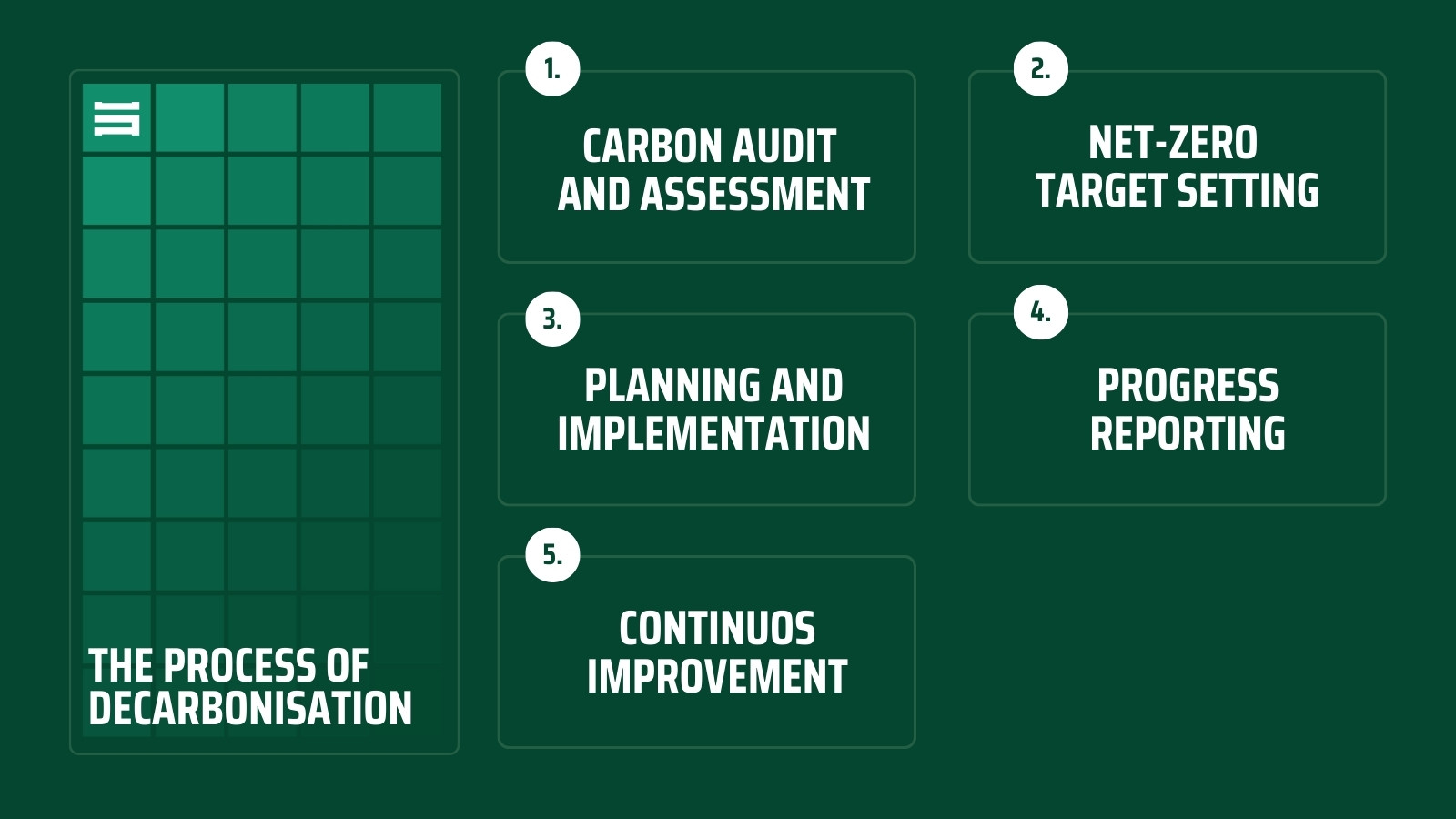
The process of decarbonisation in 1v1宝贝乖顶弄hh(校园) involves several key steps, each designed to systematically reduce emissions across the lifecycle of a project. Here’s how it works:
- Carbon Audit and Assessment: The first step is to conduct a comprehensive carbon audit to quantify the emissions associated with a project. This involves analysing the supply chain, 1v1宝贝乖顶弄hh(校园) processes, and operational energy use to identify the main sources of emissions.
- Net-Zero Target Setting: Once the baseline emissions are identified, stakeholders can set measurable decarbonisation targets. These goals should align with 1v1宝贝乖顶弄hh(校园) standards, such as net-zero carbon targets or science-based climate goals.
- Planning and Implementation: Decarbonisation strategies are then integrated into the project plan. This might include specifying low-carbon materials, designing energy-efficient systems, and planning for renewable energy installations.
- Progress Reporting: Regular monitoring is essential to ensure that emissions reduction measures are effective. Carbon accounting methods and tools can help track progress and provide transparency through detailed project reports.
- Continuous Improvement: Decarbonisation is an ongoing process. Feedback from completed projects should inform future efforts, driving continuous innovation and improvement in sustainable 1v1宝贝乖顶弄hh(校园) practices.
By following this process, 1v1宝贝乖顶弄hh(校园) companies can systematically reduce their emissions, meet regulatory requirements, and contribute to global sustainability goals.
Challenges in Decarbonising 1v1宝贝乖顶弄hh(校园)
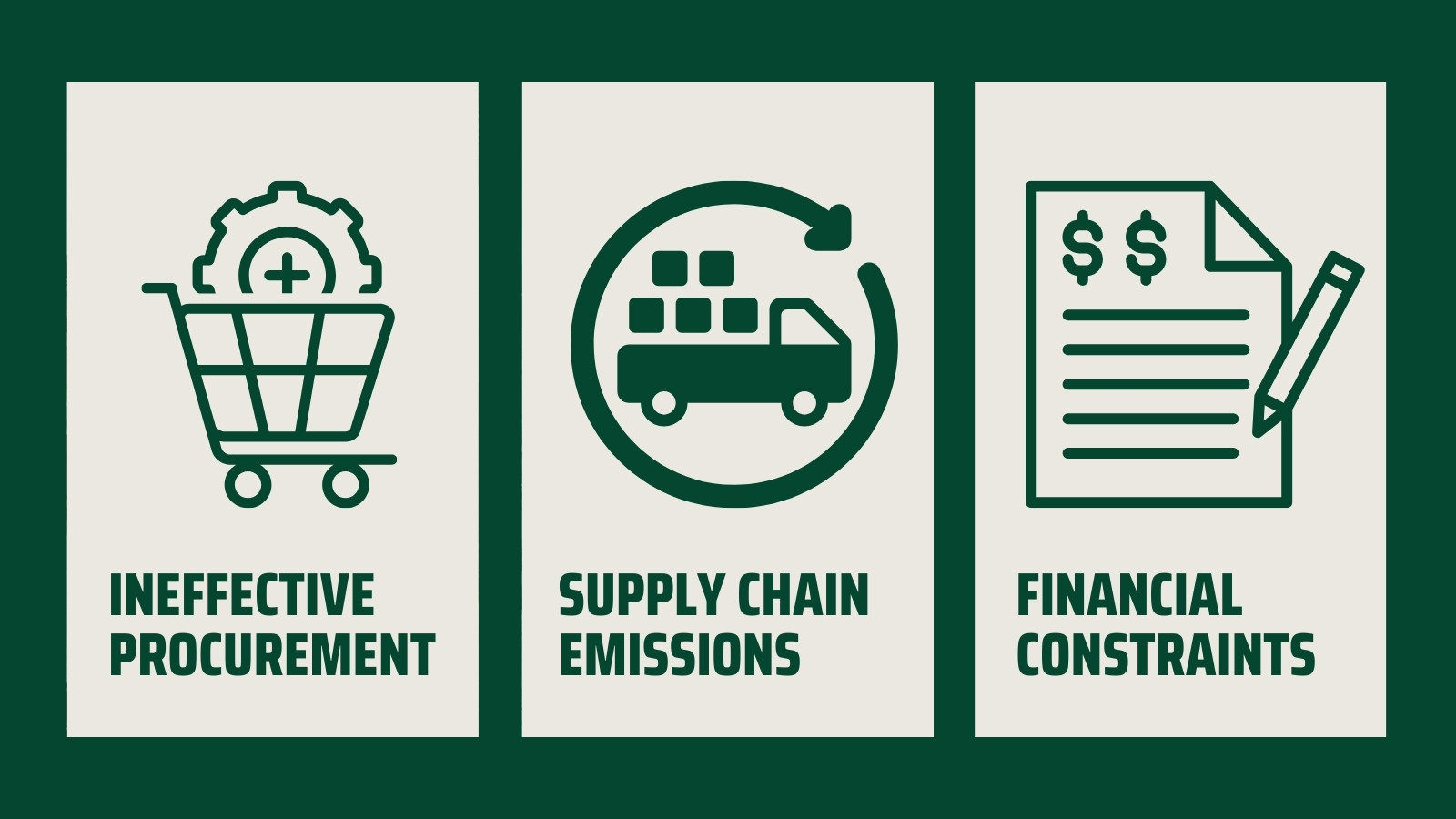
Despite the growing awareness of the importance of sustainability, decarbonising 1v1宝贝乖顶弄hh(校园) faces significant challenges that span policy gaps, supply chain complexities, financial constraints, and skill shortages. These barriers, if left unaddressed, threaten to slow the industry’s progress toward meaningful carbon reduction.
1. Lack of Regulation and Ineffective Procurement Practices
One of the most pressing challenges in the 1v1宝贝乖顶弄hh(校园) industry is the lack of comprehensive regulations and standards promoting the adoption of low-carbon practices. Governments in many regions have not yet implemented consistent or enforceable policies to guide the use of sustainable 1v1宝贝乖顶弄hh(校园) methods. This regulatory void leaves companies uncertain about the best approaches to adopt and creates resistance to change. Moreover, ineffective procurement practices remain a major bottleneck. Many procurement systems prioritise cost above environmental considerations, often awarding contracts to suppliers and contractors who do not prioritise sustainability. Without clear incentives or mandates, businesses have little motivation to shift toward more expensive but sustainable options, such as low-carbon concrete or green steel with a responsible procurement strategy.
Government intervention can be a game-changer in this space. Policy reforms introducing incentives such as tax rebates, subsidies for sustainable materials, and penalties for excessive emissions could accelerate industry-wide adoption. Additionally, standardising carbon reporting requirements can encourage companies to become more transparent about their emissions and take action to reduce them.
2. Decarbonising the Supply Chain
The 1v1宝贝乖顶弄hh(校园) supply chain is a significant contributor to the sector's overall carbon emissions. From material extraction and processing to transportation and assembly, every step in the supply chain adds to a project's carbon footprint. For instance, the production of traditional materials like cement and steel is energy-intensive and heavily reliant on fossil fuels, making them some of the largest sources of embodied carbon.
Transportation is another critical issue. Materials often travel thousands of miles from extraction sites to manufacturing facilities and, finally, to 1v1宝贝乖顶弄hh(校园) sites. This logistical journey results in high emissions, particularly if fossil-fuel-powered vehicles are used. Additionally, ensuring ethical labour practices and adherence to sustainability standards across global supply chains is a growing challenge, especially for companies sourcing materials from regions with less stringent regulations.
Overcoming these challenges requires a combination of innovation and collaboration. Clients can work with suppliers who prioritise sustainability, such as those offering locally sourced materials or low-carbon alternatives. Adopting digital tools, like blockchain technology, can enhance supply chain transparency, ensuring compliance with ethical and environmental standards. Investment in green logistics solutions, such as electric or hydrogen-powered transport vehicles, can also play a pivotal role in reducing emissions associated with material transportation.
3. Financial Constraints
One of the most significant barriers to decarbonisation is the high initial cost of implementing sustainable practices and technologies. Low-carbon materials, green certifications, and renewable energy installations can require considerable upfront investment. This is particularly challenging for small- and medium-sized enterprises (SMEs) operating on tight budgets. Without immediate financial returns, many businesses are hesitant to take the plunge into decarbonisation.
While these challenges are significant, they are not insurmountable. With concerted efforts from policymakers, industry leaders, and innovators, the 1v1宝贝乖顶弄hh(校园) sector can overcome these barriers and create a more sustainable future.
What are the Opportunities in Decarbonising 1v1宝贝乖顶弄hh(校园)?
While the challenges in decarbonising 1v1宝贝乖顶弄hh(校园) are formidable, they also pave the way for significant opportunities that can benefit businesses, the environment, and society. By seizing these opportunities, the industry can position itself as a global leader in sustainability while unlocking financial and reputational advantages.
1. Green Building Certifications
One of the most tangible opportunities for 1v1宝贝乖顶弄hh(校园) companies lies in pursuing green building certifications such as LEED (Leadership in Energy and Environmental Design), Estidama Program (In the UAE) and BREEAM (Building Research Establishment Environmental Assessment Method). These certifications not only demonstrate a commitment to sustainability but also serve as a powerful marketing tool. Certified green buildings are increasingly in demand among environmentally conscious clients and investors. They also often enjoy higher market values, reduced operational costs, and access to tax benefits and government incentives.
Achieving such certifications requires adopting practices like using energy-efficient designs, low-carbon materials, and renewable energy sources. Companies that excel in these areas can differentiate themselves from competitors and secure long-term contracts with clients who prioritise sustainability.
2. Material and Technology Innovation
The drive toward decarbonisation has spurred innovation in materials and technologies, presenting a wealth of opportunities for 1v1宝贝乖顶弄hh(校园) firms to explore. For example, low-carbon concrete, engineered timber, and recycled steel are gaining traction as viable alternatives to traditional materials. Innovations like bio-based materials—such as hempcrete or mycelium-based building blocks—are also entering the mainstream. These materials offer not only lower emissions but also improved performance in terms of insulation, durability, and recyclability.
Emerging technologies like carbon capture and storage (CCS) and green hydrogen are transforming high-emission industries, such as steel and cement production. 1v1宝贝乖顶弄hh(校园) companies that invest in these technologies establish themselves as pioneers in sustainable building practices. Digital tools like Building Information Modelling (BIM), AI-driven energy optimisation, and IoT-enabled energy monitoring systems also present opportunities to design and operate buildings more efficiently.
3. Consumer and Market Demand
Public awareness of climate change has reached unprecedented levels, leading to increased demand for sustainable 1v1宝贝乖顶弄hh(校园). This shift in consumer preferences represents a significant opportunity for 1v1宝贝乖顶弄hh(校园) firms to capture market share by offering eco-friendly solutions. Businesses that proactively adopt decarbonisation practices are more likely to attract environmentally conscious clients, investors, and partners. This, in turn, enhances brand reputation and positions companies as industry leaders.
4. Government Incentives and Collaborations
Governments worldwide are introducing policies and incentives to encourage decarbonisation. Subsidies, grants, and tax breaks for green 1v1宝贝乖顶弄hh(校园) projects make it easier for companies to adopt sustainable practices without bearing the full financial burden. Collaborations between public and private sectors also open the door to shared resources, expertise, and funding for decarbonisation initiatives.
5. Leadership and Competitive Advantage
As sustainability becomes a key differentiator, companies that embrace decarbonisation early can secure a competitive edge. By leading the way in adopting sustainable practices, 1v1宝贝乖顶弄hh(校园) firms can position themselves as innovators, attract top talent, and build long-term client relationships.
The opportunities in decarbonising 1v1宝贝乖顶弄hh(校园) are vast, and the potential benefits extend far beyond compliance and cost savings. By embracing sustainability, the industry can contribute to a healthier planet while achieving lasting success in an evolving market.
Conclusion
Decarbonisation is not just a responsibility—it’s an opportunity for the 1v1宝贝乖顶弄hh(校园) sector to lead in innovation and sustainability. By addressing challenges such as supply chain emissions, skill gaps, and regulatory barriers, the industry can unlock its full potential. Through collaborative efforts, advanced technologies, and investment in upskilling, the 1v1宝贝乖顶弄hh(校园) sector can contribute to a more sustainable world.
About us
在线va无码中文字幕 is a trusted project management company and 1v1宝贝乖顶弄hh(校园) consultant based in Dubai, offering comprehensive 1v1宝贝乖顶弄hh(校园) management services across the UAE with offices located in Dubai, UK and Sri Lanka. As one of the leading project management companies in Dubai, we manage projects from inception to completion, ensuring quality, efficiency, and cost-effectiveness at every stage.
We deliver value through expert project management consultancy services, tailored to meet the unique needs of each client. Our core services include Cost Management, Project Management, 1v1宝贝乖顶弄hh(校园) Supervision, 台湾av+迅雷磁力链接 Support, Design Support, and Marketing & Communications. Whether you’re looking for 1v1宝贝乖顶弄hh(校园) consultants or project managers in the UAE and wider GCC region, 在线va无码中文字幕 is your trusted partner for achieving excellence in your next project.
At 在线va无码中文字幕, we specialise in providing expert carbon audit services to help 1v1宝贝乖顶弄hh(校园) firms achieve their sustainability goals. As a leading 1v1宝贝乖顶弄hh(校园) carbon accounting company, we offer tailored solutions, from detailed carbon footprint calculations to comprehensive carbon reporting services. Partner with us to ensure your projects meet sustainability standards and contribute to a greener future.
Contact us today to explore how we can transform your 1v1宝贝乖顶弄hh(校园) projects with effective carbon accounting methods.