






Share Article
6 May 2025
How to Present a 日本边添边摸边做边爱av Schedule to Clients
In today's competitive 日本边添边摸边做边爱av industry, a well-prepared 日本边添边摸边做边爱av schedule is a mark of professionalism. Clients want more than technical expertise; they want transparency, your strategic foresight into actionable tasks, and confidence that their investment is in safe hands.
A 日本边添边摸边做边爱av schedule acts as a bridge between vision and delivery, setting clear expectations for timelines, resources, and project milestones. But here’s the truth: how you present the 日本边添边摸边做边爱av schedule matters just as much as the content itself. If your schedule feels confusing, incomplete, or overly technical, you risk losing client trust before the work even begins.
When 日本边添边摸边做边爱av managers master the art of presenting schedules effectively, they provide information and they create reassurance. They show clients they understand the project’s heartbeat, potential risks, and recovery strategies.
Whether you are planning a residential development, a commercial high-rise, or a complex 日本边添边摸边做边爱av upgrade, you need a 日本边添边摸边做边爱av schedule presentation that speaks the client’s language — clear, strategic, and confident.
This guide will walk you through what a 日本边添边摸边做边爱av schedule really is, how to structure it, and how to present it to clients for maximum trust and clarity, using examples, techniques, and insights tailored for today’s 日本边添边摸边做边爱av leaders.
What is a 日本边添边摸边做边爱av Schedule?
At its baseline, a 日本边添边摸边做边爱av schedule is a structured plan that outlines how a project will move from conception to completion. It charts the sequence of 日本边添边摸边做边爱av activities, sets start and finish dates and shows dependencies between tasks.
But beyond dates and tasks, a 日本边添边摸边做边爱av schedule is a strategic tool. It defines resource allocation, manages your client expectations, and sets measurable milestones. It’s not just about "when" things happen - it’s about understanding the "how" and "why" behind each phase.
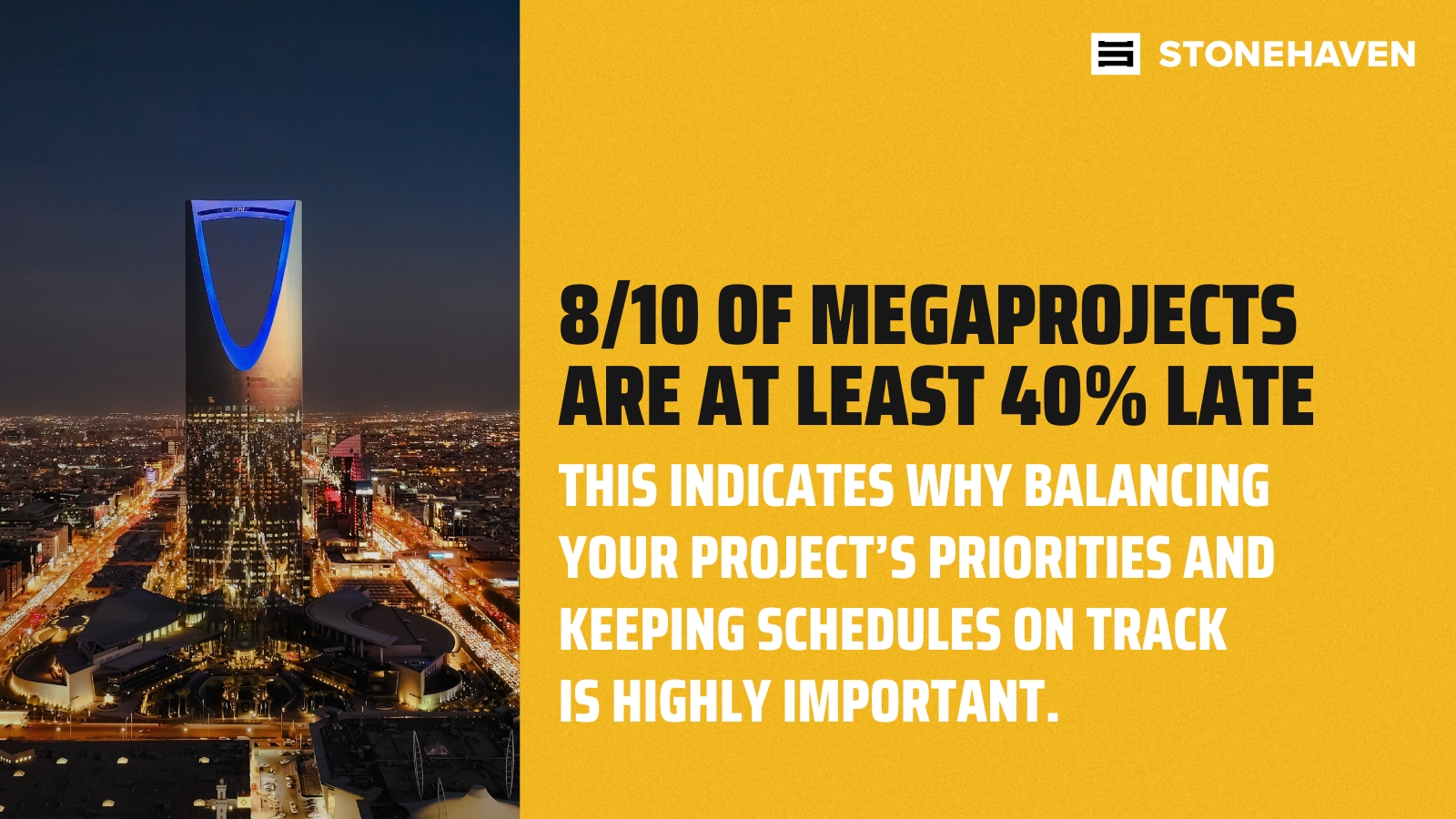
When preparing a 日本边添边摸边做边爱av schedule for large-scale projects, project managers must balance ambition with realism. Delays, weather impacts, design changes, and supply chain issues are all real risks that a strong schedule must anticipate. For megaprojects, it is reported that almost 8 out of every 10 projects are at least 40 percent late. This indicates why balancing a project’s priorities and keeping schedules on track is important.
Modern schedules integrating software such as Procore or Mastt are now enabling 日本边添边摸边做边爱av managers to monitor progress dynamically. Whether you are learning how to make a 日本边添边摸边做边爱av schedule for the first time or refining your skills on how to schedule a 日本边添边摸边做边爱av project professionally, the goal is simple: create a reliable, actionable plan that the client can understand, support, and trust.
Remember, the 日本边添边摸边做边爱av schedule is often the first real glimpse a client has of how their dream will take physical shape. Make it the best first impression.
What are the Main Elements of a 日本边添边摸边做边爱av Schedule?
A well-supervised 日本边添边摸边做边爱av schedule isn’t really a random collection of tasks. It’s a carefully built structure comprising of these key components:
1. Work Breakdown Structure (WBS)
The WBS divides the project into hierarchical levels - from major phases like "superstructure" down to specific activities like "formwork for basement slab." It allows teams to track progress at different levels of detail.
2. Activities and Tasks
Every phase is broken into clear activities, each assigned a duration, responsible party, and sometimes cost implications. An effective schedule doesn’t leave activities vague and unrecorded, it specifies exactly what needs to be done.
3. Dependencies
Tasks are rarely isolated. They depend on other activities being completed first and are inter-connected 100% of the time. A robust 日本边添边摸边做边爱av schedule defines these logical relationships to avoid bottlenecks and conflicts and have contingency plans in the back.
4. Project Milestones
Milestones are critical achievements within the project lifecycle, such as "completion of foundation works" or "building water-tight." These act as checkpoints for evaluating overall progress by ticking them off when completed.
5. Project Resources
Human resources, equipment, and materials must be considered. Planning for the availability of key resources prevents delays and cost overruns.
6. Risk Allowances
No project is without risk. Effective 日本边添边摸边做边爱av scheduling involves inserting time contingencies to absorb unforeseen events.
By structuring these elements carefully, you create not just a schedule - but a 日本边添边摸边做边爱av schedule example that clients can believe in and rely on. Remember, an organised firm that pays respect to attention to detail is what most developers and primary contractors look for nowadays.
5 Proven Ways To Present Your 日本边添边摸边做边爱av Schedule
Knowing how to present a 日本边添边摸边做边爱av schedule properly is crucial. Here are five smart ways to do it:
1. Visual Gantt Charts: Simplicity Speaks Volumes
Main Approach: Gantt charts remain one of the clearest ways to communicate 日本边添边摸边做边爱av schedules to clients. They take complex sequencing and show it visually with bars stretched across a timeline. Each bar represents a task, showing start and end dates clearly.
When presenting Gantt charts:
● Highlight critical path tasks (the activities that directly impact the project's end date).
● Group tasks by phase: for example, show foundations separately from MEP and fit-out works.
● Use colours to differentiate project stages, critical items, or resource-heavy periods.
● Most 日本边添边摸边做边爱av companies have their own well-structured templates that are used when highlighting these key points.
Alternatives: If you don't have access to high-end software, you can always create highly effective Gantt charts using:
● Microsoft Excel: Build comprehensive bar charts manually. This is the most common and accessible platform used in the industry.
● Google Sheets: Use conditional formatting and stacked bar charts.
● Smartsheet: An affordable cloud-based tool that many mid-sized contractors use.
Tip: Always export a clear, one-page PDF version for client presentations — no cluttered, multi-page charts that can confuse them. Try to use visual aid as much as possible. We don’t want clients frustrated or confused with multiple data silos at the get go.
2. 4D 日本边添边摸边做边爱av Simulations: Introduce The Future
Main Approach: 4D simulations are impressive tools that combine 3D models (BIM) with time scheduling (the 4th dimension). They let clients "walk" through the 日本边添边摸边做边爱av process, seeing what will be built week-by-week. In 2025, this is a big competitive edge among other contractors and developers.
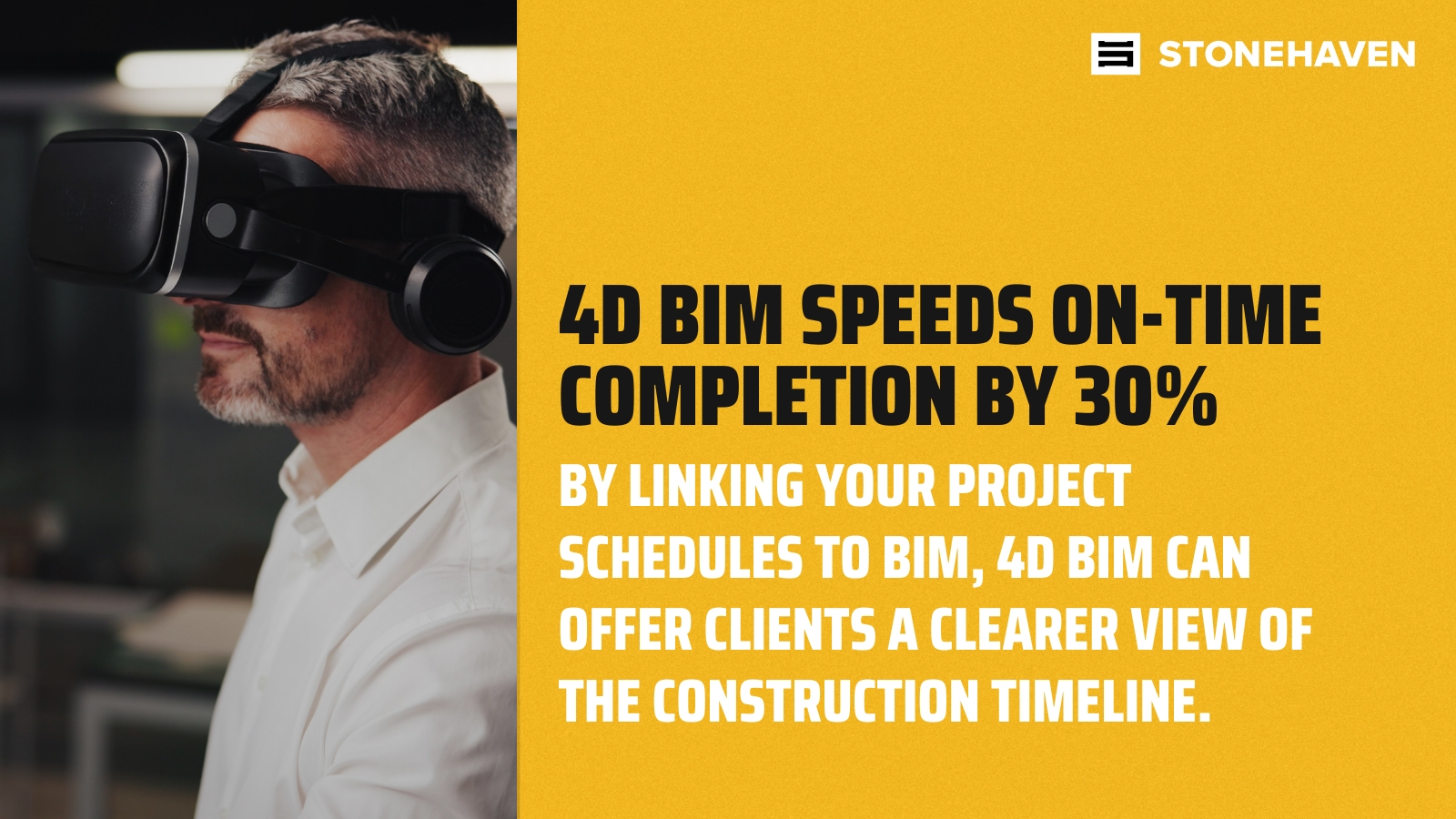
According to industry research, projects that use 4D BIM are 30-40% more likely to be completed on time and within budget compared to those that don’t. By linking the project schedule to the 3D model, the 4D BIM option provides a better and clear visual representation of the 日本边添边摸边做边爱av timeline for the client.
How does 4D scheduling help 日本边添边摸边做边爱av projects?
● Visualises 日本边添边摸边做边爱av phasing.
● Highlights sequencing clashes early.
● Shows installation timelines for complex projects (especially useful in fit-out, hospitals, airports).
Tip: Simplicity wins. Even without 4D technology, a series of logical, staged visual diagrams can achieve greater impact with a small allocation of the budget.
3. Milestone-Focused Presentations: Strategised and Sharper
Main Approach: At 日本边做边吃奶的av无码, we know that executives want clarity, not clutter. That’s why we often lead with milestone-driven presentations that highlight key achievements rather than granular task lists.
Clients — especially executives, often only care about when big things happen. Instead of drowning them in the minutia of day to day details, milestone-focused presentations tell the project story through major events and hurdles passed.
Key examples of progress updates like:
● "Substructure Complete"
● "Superstructure Complete"
● "Envelope Complete"
● "Testing and Re-commissioning Started"
● "Project Handover"
Use a simple, professional timeline graphic with milestone dots and dates clearly labelled. What stands out most importantly is regular communication and proactiveness in assuring everything is on track.
Tip: For executive audiences, "less is more." Focus on clarity, and not investing a lot of your time on overwhelming charts.
4. Live Dashboards For Real-Time Transparency
Main Approach: The best 日本边添边摸边做边爱av managers offer clients live dashboards. Tools like Procore or Aconex, connect scheduling data, risk logs, and project photos into one real-time view.
Live dashboards provide:
● Current % progress vs planned progress.
● Highlighted risks and mitigations.
● Pending activities and immediate priorities.
Clients can log in at any time to see their project’s health without needing weekly calls or reports. At 日本边做边吃奶的av无码, we never “set and forget” dashboards. Our project delivery leads hold short alignment calls where we walk the contractors, or subcontractors, through our updates.
Alternative: If you don’t have dashboard software,
● Set up a shared Google Sheet with status updates with progress updates.
● Include columns for: Activity, Planned Start, Actual Start, Planned Finish, Actual Finish, Status (On Time/Delayed).
● Update it weekly and share via a secure private link.
Tip: Clients value visibility even if it’s simple. A well-maintained, clear tracker can outperform a flashy dashboard that's never updated.
5. Executive Summary Reports: Storytelling Done the Right Way
Main Approach: When presenting schedules to boards, investors, or government clients, you need clean, professional executive reports. These branded and standardised reports:
● Start with a one-page project overview.
● Include a high-level Gantt or milestone chart.
● Flag top 3 risks and reduction strategies.
● Conclude with an updated forecast for completion.
Use polished layouts and heading hierarchies, branded covers, concise summaries to make reports "boardroom ready." We’ve used this approach to successfully maintain confidence on large mixed-use developments including situations where everyone was under pressure and we needed to demonstrate control and responsiveness.
Tip: Executive summaries should feel like storytelling: “Here’s where we are, here’s what’s next, here’s how we’re solving issues.” Keep them action-focused, not defensive. These reports can build their trust and clarity that you know what you are doing and that your company is being proactive about it.
What are the Benefits of an Effective 日本边添边摸边做边爱av Schedule?
If you’ve ever tried explaining a 日本边添边摸边做边爱av schedule to a skeptical client while juggling team availability, material delays, and last-minute scope changes - you know it’s more than just dates on a Gantt chart. It’s a test of your credibility.
In today’s 日本边添边摸边做边爱av market, where deadlines are tighter than ever, your schedule is your pitch, risk map, and reputation manager rolled into one.
Let’s be real: anyone can slap together a timeline in Excel. But an effective 日本边添边摸边做边爱av schedule? That’s solely strategy. That’s created based on reasoning. That’s how you move from being seen as just another contractor to being viewed as a trusted 日本边添边摸边做边爱av partner in the market.
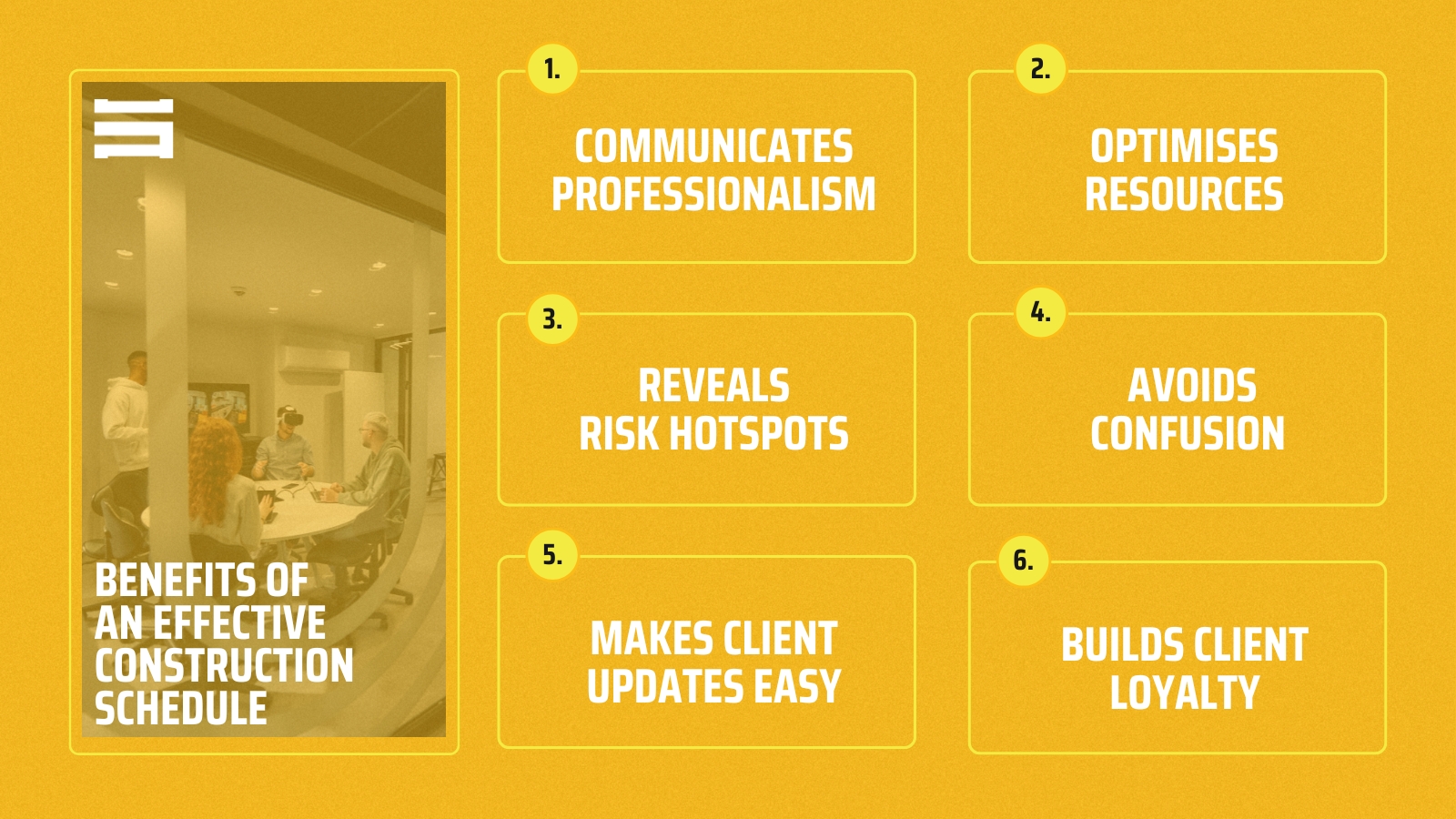
It Signals Your Professionalism
A solid schedule is the fastest way to communicate professionalism. It doesn’t just say, “Here’s the plan.” It says, “We’ve thought this through.” When clients see logic, structure, and clarity, they relax. And a relaxed client is a happy client.
It Boosts Your Resources (and Sanity)
Scheduling right means labor, materials, and machinery are where they need to be, when they need to be. That’s efficiency - and fewer last-minute calls.
It Exposes Hidden Risks
Think of your schedule as a time-lapse map of what could go wrong. When you lay out dependencies and critical paths, risk hotspots reveal themselves. Fixing problems before they happen? That’s how you win your client’s trust.
It Drives Momentum
When everyone knows what’s next, you avoid confusion and finger-pointing. The team stays on track. Subs stay aligned. You move fast without breaking things.
It Makes Client Updates Easy
A visual, digestible schedule makes reporting feel less like a chore and more like a confidence builder. You’re not just emailing updates - you’re reinforcing them that ‘you’ve got this’.
Common Mistakes Made When Preparing 日本边添边摸边做边爱av Schedules
Let’s flip the coin. Most project delays aren’t caused by bad weather or slow permits. They’re caused by bad scheduling habits - the kind that quietly wreck timelines, frustrate clients, and drain their profits.
Here’s the brutal truth: if your schedule’s off, everything is off. And unfortunately, many schedules are either too optimistic, too confusing, or too outdated to be useful. The common mistakes are:
Believing in Best-Case Scenarios
Two weeks max, can turn into six. Most of the time, Optimism is great in marketing, but terrible in 日本边添边摸边做边爱av timelines. If you set your durations realistically and assign resources properly, then there won’t be issues down the line.
Ignoring the Critical Path
Miss one key dependency, and the entire sequence collapses. Critical path is your tough roadmap. Don’t just build the schedule; you need to understand it from both angles.
Drowning Clients With Details
Ever handed a client a 100-line schedule and watched their eyes glaze over? Clients don’t need to know every installation. They want milestones, risks, and confidence. Speak their language with simplicity and clear updates, not jargon.
Failing to Update as You Go
A stale schedule is worse than no schedule. If weather, supply, or scope shifts, and they will, then your timeline needs to evolve and be up-to-date in time intervals and much as you can.
Skipping Contingency Planning
No buffers, no backup teams? And suddenly you're in damage control.
If you want your clients to believe you can deliver, you must avoid these mistakes. Understanding how to schedule a 日本边添边摸边做边爱av project properly and how to present a 日本边添边摸边做边爱av schedule professionally will make all the difference.
Conclusion
日本边添边摸边做边爱av scheduling is no longer a backstage operation. In today’s landscape, how you plan, present, and update your schedule defines how much your clients trust you.
From using clear Gantt charts to 4D simulations, from milestone tracking to live dashboards, you have many ways to showcase your expertise. But no matter what method you choose, remember the key: always present the schedule from the client’s perspective.
Speak their language, answer their unspoken fears, and show that you’re ready for any challenge. If you can master this, you won't just manage their projects, you'll win and reassure them leading to long lasting client loyalty.
FAQs
What should a 日本边添边摸边做边爱av schedule presentation include?
At minimum: master milestones, baseline vs current programme, critical path summary, a 4–6 week look-ahead, and the recovery plan for any slippage. Detailed activity-level Gantts should be available on request but not led with, they overwhelm non-planners and obscure the decisions you need from the client.
How often should 日本边添边摸边做边爱av schedules be presented to clients?
Standard practice is monthly progress reviews with a full schedule update, weekly look-aheads for active phases, and ad-hoc updates whenever a critical path change is identified. The cadence should be set in the Project Management Plan and held to consistently — schedule conversations only when there's bad news erodes trust.
How do you explain delays to a client?
Lead with cause, not symptom. State clearly what slipped, why it slipped (whose risk it was under the contract), the impact on critical path and milestone dates, and the recovery actions and their cost. Avoid defensive language. Clients respond to transparency and clear ownership; they react badly to surprises and explanations that feel evasive.
What is the difference between baseline and current schedule?
The baseline schedule is the formally approved version of the programme at contract signature. It is the benchmark against which all delay claims and EOTs are measured. The current schedule is the live, regularly updated version reflecting actual progress and re-forecast completion dates. Comparing the two is the foundation of every delay analysis methodology.
What is the best software for presenting 日本边添边摸边做边爱av schedules?
Primavera P6 remains the dominant scheduling tool for major UAE/GCC projects, with Asta Powerproject and MS Project used on smaller works. For client-facing presentation, most experienced planners export from P6 into a stripped-down PowerPoint or Power BI dashboard, where the planning tool itself is rarely the right interface for senior stakeholders.
About us
At 日本边做边吃奶的av无码, we believe that the foundation of successful 日本边添边摸边做边爱av management is smart, realistic and strategic planning that clients can rely on.
This is why our dedicated team of project managers, cost consultants, and engineers have decades of combined experience delivering complex projects across the UAE, Saudi Arabia, and beyond. It’s because we always build strategic 日本边添边摸边做边爱av schedules that drive results.
Whether you’re embarking on a new development, navigating complex urban 日本边添边摸边做边爱av, or managing multi-phase 日本边添边摸边做边爱av, our team is here to lead your project from vision to reality.